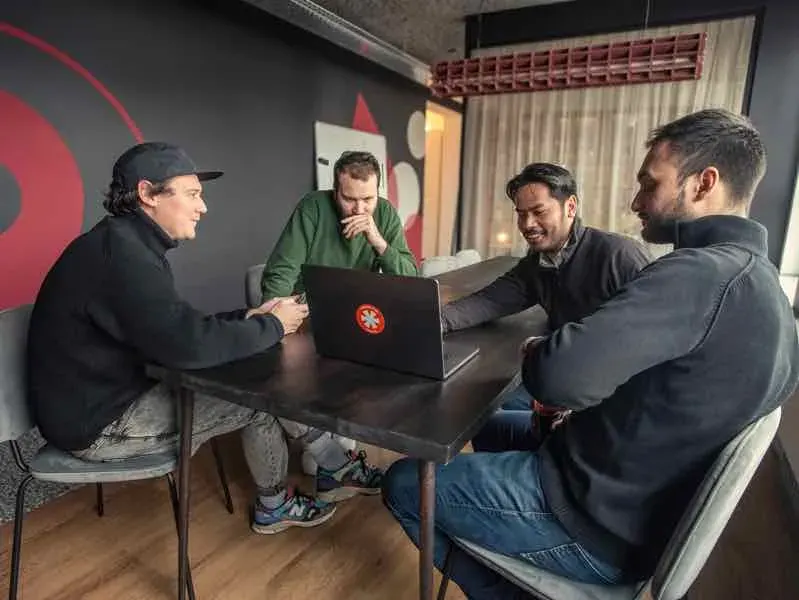
Welcome to Co-Labs
A common space where founders can share problems, solutions, intuitions and visions. Here, we explore every idea, focusing on knowledge and decision making.
From engineering and AI to cloud, data and security, one team covers it all, so what we build delivers real results in your day-to-day operations.
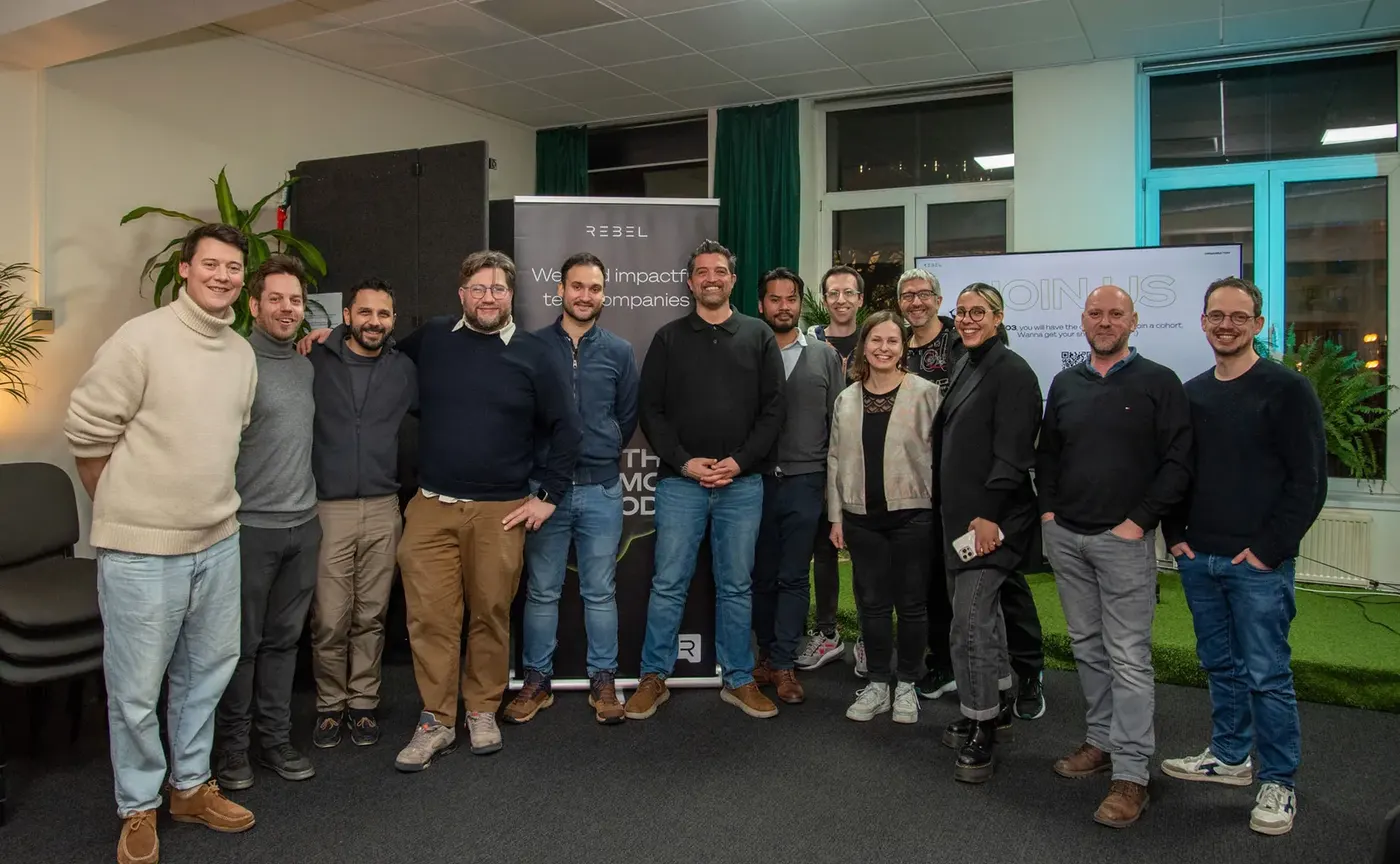
They trusted us





Our approach
A common space where founders can share problems, solutions, intuitions and visions. Here, we explore every idea, focusing on knowledge and decision making.
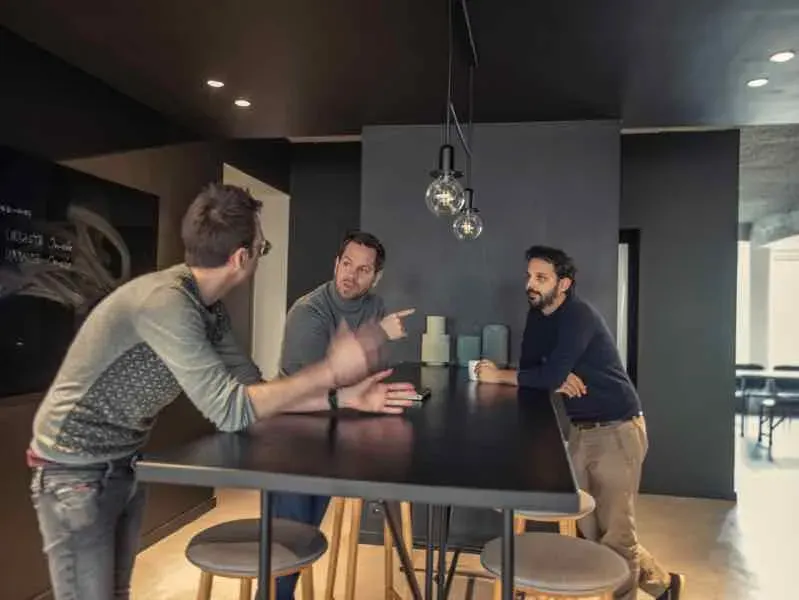
We collaborate, experiment and get results with you. Our equity stake options combine your goals with ours, for a collective win.

We integrate strategy, product development, and execution, staying involved until the idea becomes a business. No handoffs; the same team shapes and grows the product.
Ideation or audit workshop of your project with min 2 experts in the room (one Product/Business and one Tech). In two days, they take your idea or your existing product apart and hand you a plan you can build from.
We put a hand-picked team of senior builders around your project and ship real software: designed, built, and used. Not a prototype that dies in a drawer.
We keep your product alive and push it forward, month after month, on a fee, or on discounted sweat-equity so we grow when you grow and we share the risk together.
From engineering to AI, security and the people who build it: focused services from the same senior team.
Websites, web apps and e-commerce, fast, secure and SEO-ready.
Learn moreAI agents, LLM applications and automations that do real work.
Learn moreSenior engineers, designers and AI builders, vetted by people who ship.
Learn moreA senior-led audit mapped to GDPR, NIS2, ISO 27001 and the AI Act.
Learn moreNo handoffs. The same team that shapes your product also grows it, until the idea becomes a business.
Our equity stake options combine your goals with ours, for a collective win.
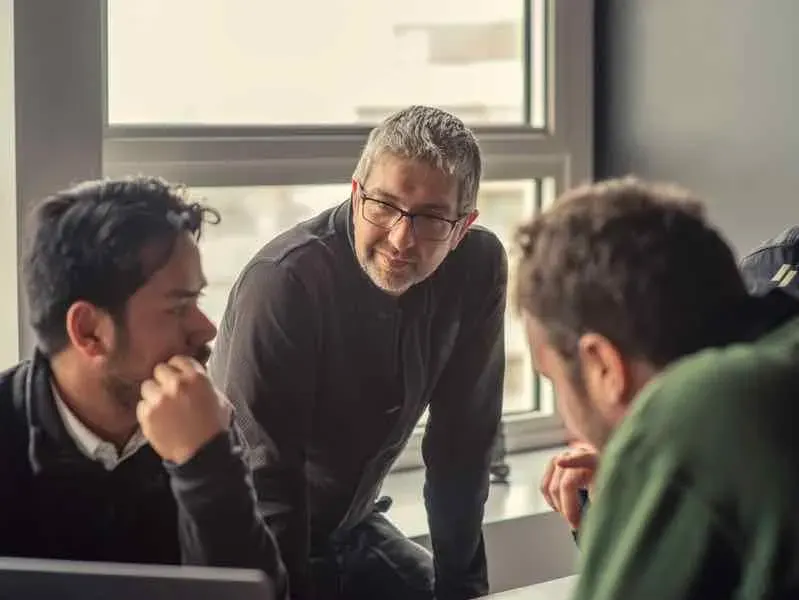
If the experiment fails, we gain nothing. That’s why we only pick ideas that merge with our values.
We see it through to the end, and even a little further: as long as we can help to create beautiful things.
A few figures behind our approach.
Studio startups reach a seed round about twice as fast as conventional startups (1.49 vs 3.03 years).
We build trusted digital solutions for Civic/Public Tech, Health/Food Tech, Prop Tech, Legal Tech and Cyber Defense.
Trusted by 47+ co-laborators: the core team, the Rebel.coop freelancers and the partners who share the bench.
Less time to each later round: 41% to Series A, 44% to Series B, 47% to Series C.
Lead Executives prioritise the purpose and impact of a role over salary or title.
When the EU set out to counter disinformation at scale, it needed something that didn't exist yet: a single platform where Commission teams, member-state governments,…

Product Owner · CEO Rebel Coop
“When I met Co-Labs. I know that we will make something impactful together. Now we are collaborating as partner but also as service partner.”
 Dasha BespyatovaProduct Owner · CEO Rebel Coop
CEO of Impact Valley
“Their team was professional, responsive, and solution-oriented throughout our volunteering platform redesign. Their commitment was key to delivering it successfully. Highly recommended.”
 Alexandre BertrandCEO of Impact Valley
Financial risk Manager Stellantis · CFO of call up
“Partnering with Co-Labs it's a real pleasure. We build a product with a real purpose for the planet and that citizens need.”
 Franco PrefumoFinancial risk Manager Stellantis · CFO of call up
Project Manager SOCOPRO
“The implementation of our new website came with its fair share of challenges, whether due to the number of partners involved or the fluctuating scheduling constraints. Daniel’s versatility, experience across various industries, and pragmatic approach enabled us to achieve an optimal solution.”
 Karl KnobenProject Manager SOCOPRO
When a build needs partners who don't normally work together, someone has to put them in the same room. For Impact Valley, that was us. We connected their design side…
Read the article
Co-Labs helped Gratiago build its first MVP, a native iOS and Android app with a notification system, the product on which the randomized clinical study GRACE-001…
Read the article CareersCo-Labs is an impact venture lab in Brussels. We build AI-native ventures, and we help corporates build theirs: Deloitte, KBC, RTBF, the European Commission, the…
Read the article
Welcome to our laboratory, Welcome to Co-Labs.
Welcome to our impact venture lab,
Where projects that make a difference are guided with care,
Where the investment is shared, so that makers and their time are valued.
We created Co-Labs to collaborate with you, the innovators
We created Co-Labs to formulate solutions for tomorrow
=Welcome everyone.
Now, let’s share the bench
And the experiment.
When the EU set out to counter disinformation at scale, it needed something that didn't exist yet: a single platform where Commission teams, member-state governments,…
Read the articleWhen a build needs partners who don't normally work together, someone has to put them in the same room. For Impact Valley, that was us. We connected their design side…
Read the articleThree formulas, one b-o-o-m.
Ideation or audit workshop for your project with minimum two experts in the room (one Product/Business and one Tech).
Gather with a team of experienced minds around your project to synthesize real software, crafted for people.
We keep your product hot and make it glow, month after month. On a fee, or on equity. We share the bench, we share the risk.
Let’s follow this intuition. And see what emerges.
Our why
using the best technologies in the world to make it happens






To ensure our investments are useful, we select projects of substance, not just a pitch deck, but a solid idea that we test in the lab.
We take the stakes, we take the risks. If the experiment fails, we gain nothing. That’s why we only pick ideas that merge with our values.
When we start an experiment, we see it through to the end. And even a little further: as long as we can help to create beautiful things...
We help corporates, founders, and institutions turn their hardest problems into shipped, impact-driven ventures. We embed, we build with AI-native methods, and we take equity, so we're on the hook for the outcome, not just the advice.
Starting in Europe, one build at a time.

CEO · AI/Tech Advisor

CPO · UX/UI Designer
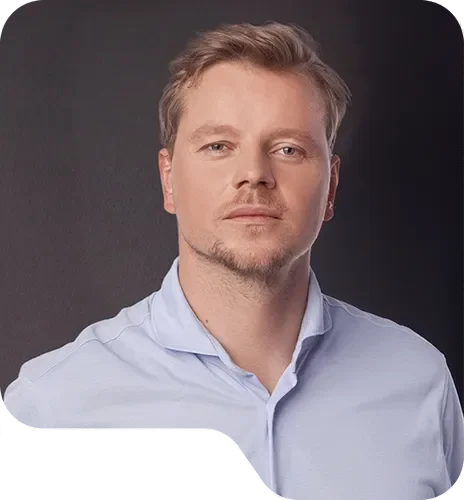
COO · Growth Strategist

Medior · Full Stack Developer

Cyber Sec · DevSecOps
We’ve built a tight network of highly qualified freelancers who co-own the company together. Because every member shares the brand and its reputation, you get the commitment of a partner, not a contractor. You bring in the right expertise exactly when you need it, scale up or down freely, and turn what would be a fixed hiring cost into a flexible one.

Product Manager · Facilitator

Business Developer · Facilitator

AI Full Stack Developer

Project Manager / Front-End
Senior Back-End Developer

Communication Strategist

Product Designer
Product Owner · CEO Rebel Coop
“When I met Co-Labs. I know that we will make something impactful together. Now we are collaborating as partner but also as service partner.”
Dasha BespyatovaProduct Owner · CEO Rebel CoopCEO of Impact Valley
“Their team was professional, responsive, and solution-oriented throughout our volunteering platform redesign. Their commitment was key to delivering it successfully. Highly recommended.”
Alexandre BertrandCEO of Impact ValleyFinancial risk Manager Stellantis · CFO of call up
“Partnering with Co-Labs it's a real pleasure. We build a product with a real purpose for the planet and that citizens need.”
Franco PrefumoFinancial risk Manager Stellantis · CFO of call upProject Manager SOCOPRO
“The implementation of our new website came with its fair share of challenges, whether due to the number of partners involved or the fluctuating scheduling constraints. Daniel’s versatility, experience across various industries, and pragmatic approach enabled us to achieve an optimal solution.”
Karl KnobenProject Manager SOCOPROToday, three major shifts have occurred simultaneously: construction costs have significantly decreased, corporations have reduced their internal R&D efforts, and top professionals are prioritizing impact and equity over traditional organizational structures.
Our bet is simple: the way to build ventures that matter now is to embed, ship with AI-native methods, and co-own the outcome, funded by the advice we give along the way. Here's the math behind it.
Studio startups reach a seed round about twice as fast as conventional startups (1.49 vs 3.03 years).
Less time to each later round: 41% to Series A, 44% to Series B, 47% to Series C.
Lead Executives prioritise the purpose and impact of a role over salary or title*
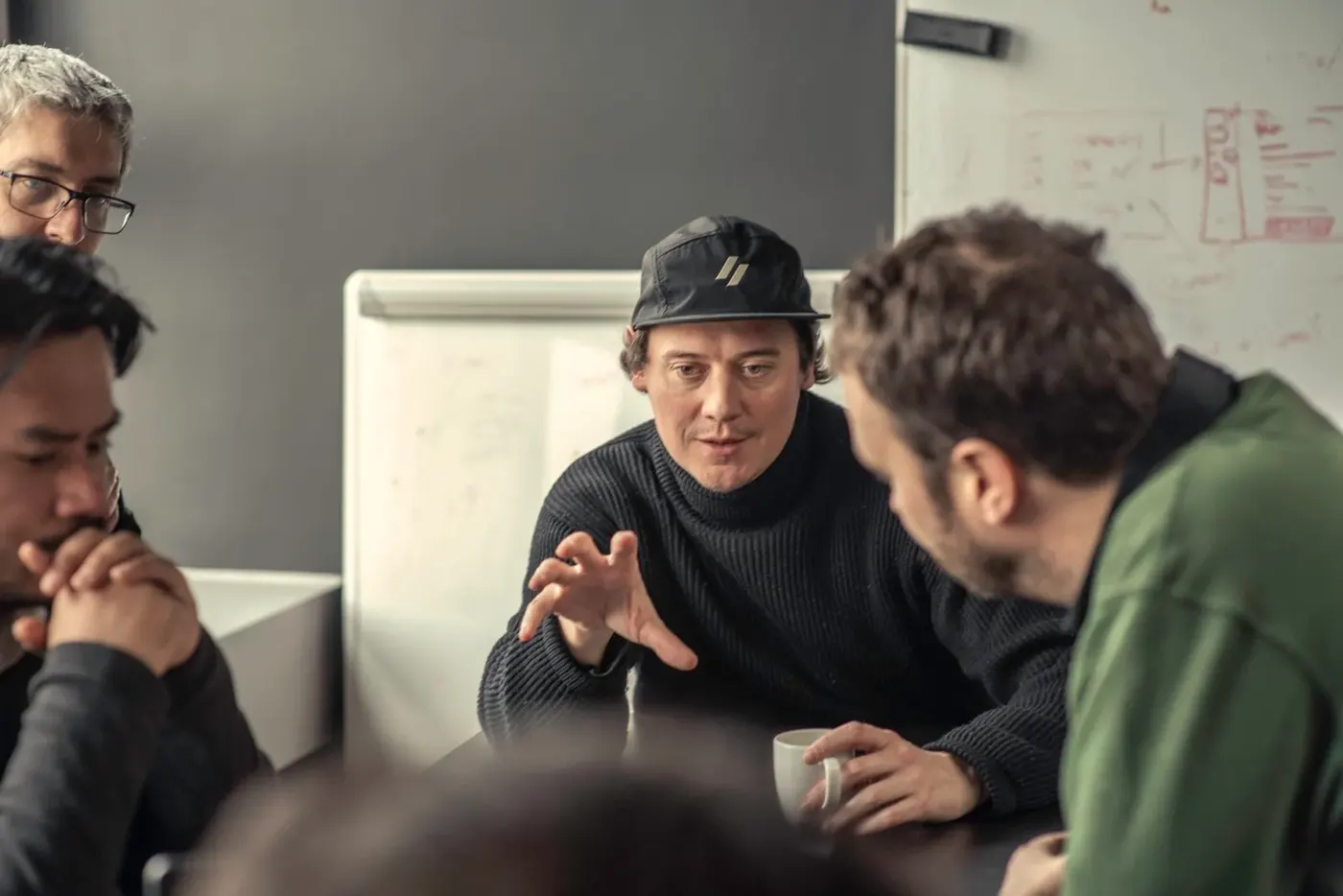
Ideation or audit workshop of your project with min 2 experts in the room (one Product/Business and one Tech)
Get StartedFounders and compagnies sitting on an idea, a pivot, or a product that's stalled, who want an honest read before spending on the build.
We put a hand-picked team of senior builders around your project and ship real software, designed, built, and used. Not a prototype that dies in a drawer.
Get StartedFounders and companies ready to ship a real product, not another prototype.
We keep your product alive and push it forward, month after month, on a fee, or on discounted sweat-equity so we grow when you grow and we share the risk together.
Get StartedTeams with a live product that needs to keep growing, and founders who want a partner that could possibly takes equity but not the control.
In two days, two senior experts, one product/business, one tech, take your idea or your existing product apart and hand you a plan you can build from.
We put a hand-picked team of senior builders around your project and ship real software, designed, built, and used. Not a prototype that dies in a drawer.
We keep your product alive and push it forward, month after month, on a fee, or on sweat-equity so we grow when you grow.
From engineering to AI, security and the people who build it, focused services from the same senior team.
Custom websites, web applications and e-commerce platforms, fast, secure and SEO-ready.
Learn moreAI agents, LLM applications and automations that do real work in your operations.
Learn moreSenior engineers, designers and AI builders, hired or embedded, vetted by people who ship.
Learn moreA senior-led audit of code, cloud and data, mapped to GDPR, NIS2, ISO 27001 and the AI Act.
Learn more
Co-Labs is a web development company in Brussels. Our senior team designs, builds and runs custom websites, web applications and e-commerce platforms: fast, secure, SEO-ready, and connected to the tools your business already runs on.
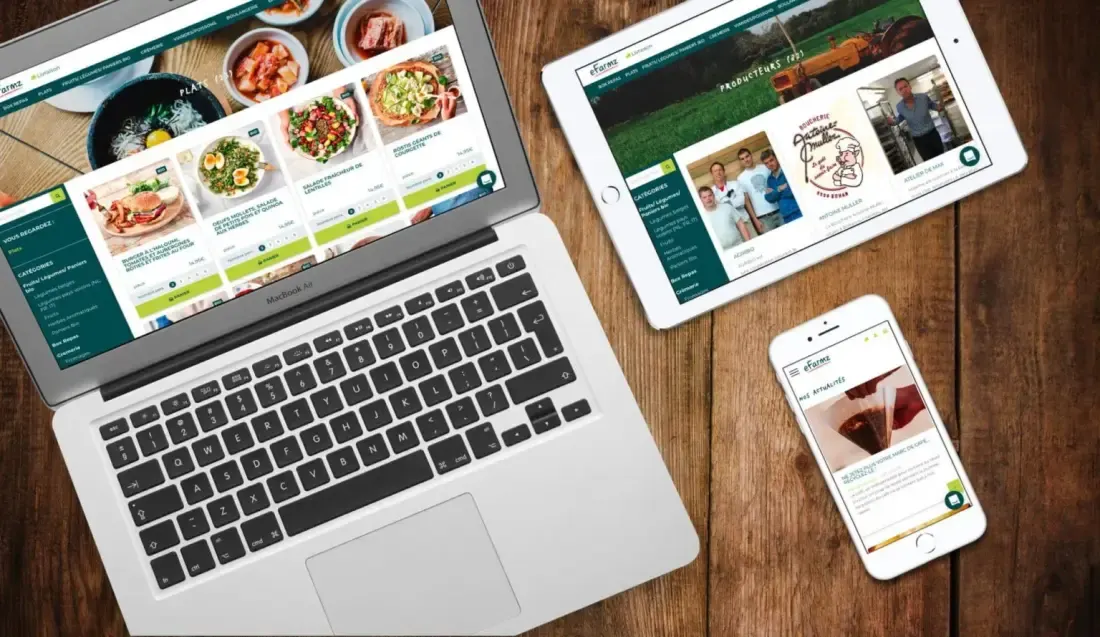
From a fast marketing site to a platform that runs your operations.
Portals, dashboards, SaaS products and internal tools, built around the way your teams actually work.
Custom online shops and migrations off Prestashop, WooCommerce or Shopify, synced with your ERP and stock in real time.
Fast, accessible, SEO-ready websites your team can update without calling a developer.
REST and GraphQL APIs, ERP and CRM integrations, and data flows that keep every system in sync.
Custom web development means building a website or web application around your business, instead of bending your business around a template. You get software that fits your workflows, connects to your systems and can grow with you, and that you can evolve without starting over.
It’s the right choice when a website builder can’t handle your integrations, your traffic or your product logic.
A website only performs if people can find it. We build search performance into the architecture, so you don’t pay for an SEO rescue after launch.
For Efarmz, we led a team of three developers to rebuild the shop from Prestashop into a fully custom platform, scaled for record COVID order peaks and synced in real time with their ERP. The rebuild contributed to Efarmz winning the E-commerce of the Year award.
Read the Efarmz case studyFive steps, the same senior team from the first workshop to the launch and beyond.
Two days with a product and a tech expert to define the goals, the scope and the plan.
User journeys, wireframes and a design system, validated with your team before we build.
Spec-driven development, weekly releases and CI/CD, months compressed into weeks.
Performance, SEO, accessibility and security checks, then a controlled go-live.
Maintenance, monitoring and new features with the team that built it.
Each option has its place. Here’s how they compare for a business-critical website or platform.
| Criteria | Co-Labs custom development | Website builders | Single freelancer |
|---|---|---|---|
| Best for | Business-critical sites, web apps and e-commerce | Simple brochure sites | Small, well-defined tasks |
| Fits your workflows | Built around them | Limited to templates and plugins | Depends on the person |
| Integrations (ERP, CRM, APIs) | Custom and real-time | Plugin-dependent | Possible, often one-off |
| SEO & performance | Full control over code and speed | Basic, constrained by the platform | Varies |
| Team | Product, design, engineering and security | You, plus support tickets | One person |
| Up-front cost | Higher | Lowest | Low to medium |
| Long-term support | Same team, ongoing Co-Growth | Platform updates only | Depends on availability |
When the EU set out to counter disinformation at scale, it needed something that didn't exist yet: a single platform where Commission teams, member-state governments,…
Read the article
At Socopro, I led the build of a platform that lets farmers push their data out to multiple catalogs from a single place, instead of re-keying the same information…
Read the articleCo-Labs helped Gratiago build its first MVP, a native iOS and Android app with a notification system, the product on which the randomized clinical study GRACE-001…
Read the articleCan’t find your answer here? Ask the team directly.
A web development company designs, builds and maintains websites and web applications. At Co-Labs that covers the full cycle: scoping with a product and a tech expert, UX/UI design, front-end and back-end development, integrations with your ERP, CRM or payment tools, hosting, launch, and ongoing maintenance and growth.
It depends on scope. A marketing website usually takes a few weeks; a custom web application or e-commerce platform usually takes a few months. Every project starts with a two-day Co-Thinking workshop that turns your idea into a scoped plan with a timeline. For reference, we co-built the EU's Rapid Alert System platform and took it live within a three-month deadline.
Cost depends on the number of features, integrations and users the platform has to handle. Rather than quoting blind, we start with a two-day Co-Thinking workshop and give you a clear scope and estimate at the end of it. Projects can be billed at a fixed fee or, for ventures we believe in, partly in sweat-equity.
We build mostly in TypeScript, with Next.js and React on the front end, and NestJS, Laravel or Python on the back end. For content sites we use static-first frameworks such as Astro. We deploy with CI/CD on the cloud provider that fits your constraints, and we start from open-source foundations so you are never locked into a black box.
Yes. SEO is built in from the first sprint, not added at the end: server-side or static rendering, clean semantic HTML, fast Core Web Vitals, structured data (schema.org), XML sitemaps, canonical URLs, accessible markup and metadata for every page. We also set up analytics and Google Search Console so you can measure what ranks.
Yes. We plan migrations so you keep your data, your URLs and your search rankings: content and product migration, 301 redirects, and integration with the systems you already run. For Efarmz, we migrated the platform from Prestashop to a fully custom solution, handled record COVID order peaks and integrated their real-time ERP.
Yes. With Co-Growth, the team that built your product keeps it secure, up to date and improving month after month: maintenance, monitoring, new features and growth work, on a fixed fee or on sweat-equity.
No. Co-Labs is based in Brussels and works with startups, scale-ups, corporates and public institutions across Belgium and Europe, including projects for EU institutions.
AI agents, LLM applications and automations that do real work in your operations.
Learn moreSenior engineers, designers and AI builders, hired or embedded, vetted by people who ship.
Learn moreA senior-led audit of code, cloud and data, mapped to GDPR, NIS2, ISO 27001 and the AI Act.
Learn moreCo-Labs is an AI development company in Brussels. We design, build and run AI agents, LLM-powered applications and automations that take real work off your teams: secure, measurable and ready for the EU AI Act.
Four ways we put AI to work for your business.
Agents that take over one recurring job (triage, reporting, data entry, follow-ups) connected to your tools.
Assistants and copilots built on Claude, GPT, Gemini or open-source models, working on your own data.
Answers from your documents, wikis and databases, with sources cited, so every answer can be checked.
New AI-native products from MVP to scale, the way we built Drimt and Kookia in our own studio.
AI development is the design and engineering of software that uses AI models, such as large language models (LLMs), to understand information, make decisions and take actions. In practice: agents that take over recurring work, copilots that answer from your own documents, and products with AI at their core.
The hard part isn’t the model. It’s the data, the integrations, the guardrails and the follow-through that make AI reliable in production.

Most AI projects stall between the demo and production. We close that gap with the engineering practices that make AI dependable at work.
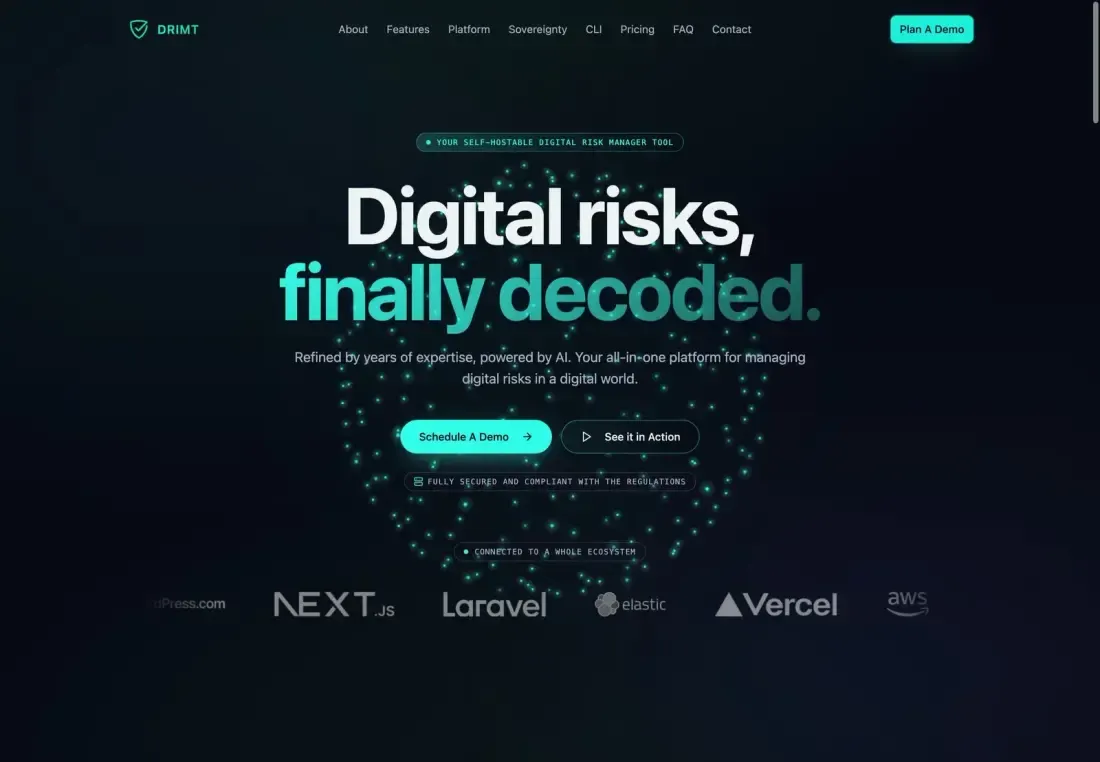
Drimt is the AI-powered digital risk platform we built in-house: an agentic AI, an MCP server and an on-premise copilot dashboard that bring ESG, governance, cyber and reputational risk into one view. It’s backed by an EU GenAI subsidy, and it’s how we prove we build what we advise.
Read the Drimt storyAI in Europe has to be trustworthy by law. We classify each system under the EU AI Act, keep data where it belongs (EU cloud, private or on-premise) and document how it’s processed for GDPR.
From the first use case to an agent your team relies on every day.
A two-day Co-Thinking workshop to pick one recurring, measurable job where AI pays off.
Goals, data, guardrails and acceptance criteria agreed before any code: spec-driven development.
A working prototype on your data, scored against an evaluation set so quality is measured.
Integrated with your tools, with guardrails, human approval, logging and cost control.
Monitoring, evaluations and new capabilities as models and your needs evolve.
Off-the-shelf tools are great for generic tasks. Here’s when custom AI development makes the difference.
| Criteria | Co-Labs custom AI | Off-the-shelf AI tools | Building in-house |
|---|---|---|---|
| Best for | Workflows specific to your business | Generic tasks like writing and summarising | Companies with an established AI team |
| Works on your data & systems | Connected through APIs and MCP | Limited: copy-paste or plugins | Yes, once the team is in place |
| Time to first value | Weeks for a narrow agent | Immediate | Months of hiring and ramp-up |
| Data control & hosting | EU cloud, private or on-premise | The vendor's terms | Full |
| Quality measurement | Evaluations built in | None for your use case | Needs to be built |
| Up-front cost | Medium | Lowest: a subscription | Highest |

Almost everyone knows they should eat better. Very few actually change. The gap between knowing and doing is where diet quietly turns into disease, and where most…
Read the article
Everyone wants an autonomous coworker. The agents that actually earn their keep are small, narrow, and dull. Here's how to build one, and the tools worth using in 2026.
Read the article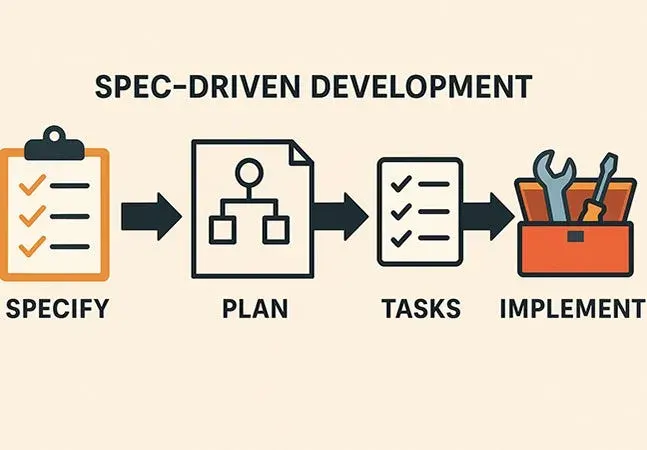
What changes when the specification, not the code, becomes the thing you build and maintain, the tools that make it work in 2026, and how we approach it as a studio.
Read the articleCan’t find your answer here? Ask the team directly.
An AI development company designs, builds and runs software that uses AI models to understand, decide and act. At Co-Labs that means finding the use cases worth automating, building AI agents, LLM applications and RAG systems on your data, integrating them with your tools, and keeping them accurate, secure and cost-efficient in production.
A chatbot answers questions; an AI agent gets work done. An agent combines a model that reasons, tools that let it act (email, calendar, CRM, files or your own APIs, often through the Model Context Protocol (MCP)) and a loop with memory, so it can complete a recurring job end to end, with a human approving the steps that matter.
A narrow agent that does one recurring job well can usually reach production in weeks, because the scope is small by design. Larger AI products, such as copilots on your company data or new AI-native platforms, take a few months. Every project starts with a two-day Co-Thinking workshop that sets the scope and the timeline.
Cost depends on the scope, the integrations and the model usage in production. We scope the project in a two-day Co-Thinking workshop and give you an estimate for both the build and the running costs. We keep running costs under control by matching each task to the right model: a small, fast model where it's enough, a stronger one only where judgment is needed.
We are model-agnostic. We work with Claude (Anthropic), GPT (OpenAI), Gemini (Google) and open-source models that can run on your own infrastructure, and we build mostly in TypeScript and Python with frameworks such as the Vercel AI SDK, Mastra and LangGraph. We pick per task, and design so you can switch models later.
We design for data control. We use business API tiers that don't train on your data by default, host in the EU where needed, and offer private or on-premise deployments for sensitive data. Agents only get access to what their job requires, and every action is logged.
We build for it from the start. The EU AI Act entered into force in August 2024 and applies in phases: we classify each system's risk level, document data flows for GDPR, and build in human oversight, logging and transparency where they are required. Our Security Audit & Compliance service can also review AI systems you already run.
Start with the boring one. Pick a single recurring, measurable job (reporting, triage, data entry) and automate that first. It pays off fast, builds trust in the team, and gives you the foundations (data access, guardrails, monitoring) for the next use case. Our two-day Co-Thinking workshop is designed to find that first use case.
Custom websites, web applications and e-commerce platforms, fast, secure and SEO-ready.
Learn moreSenior engineers, designers and AI builders, hired or embedded, vetted by people who ship.
Learn moreA senior-led audit of code, cloud and data, mapped to GDPR, NIS2, ISO 27001 and the AI Act.
Learn moreSenior engineers, product designers and AI builders, hired into your team or embedded for as long as you need them. Vetted by people who ship software, not by keyword filters.
Pick the one that fits where you are, or combine them.
We find, vet and help you close senior profiles who join your team for the long run.
Senior builders from our network join your team for weeks or months, and ramp up fast.
Hands-on sessions on AI-native development, spec-driven development and AI agents.
Every search is run with a senior Co-Labs expert who has done the job you’re hiring for.
We start from your product and your roadmap, not from a job description. Together we pin down the skills that actually matter, the seniority you need and how the person will fit into the team.
Candidates are interviewed by senior practitioners from our team and our Rebel.coop network. We look at real work (code, product decisions, how they think) so you only meet people we would build with ourselves.

Once the right person is in, we stay close. We help with onboarding, check in with both sides, and can train your wider team on the practices we use every day.
We build products every day, so we know what good looks like for each role.
Senior freelancers and builders we’ve worked with, through Rebel.coop and our own projects.
Permanent hire, time-based staffing or a mix, set up around how you work.
A senior-led review of your code, cloud and processes, mapped to the EU rules you have to meet, with a prioritised fix plan your team can actually act on.
We look at the whole picture, not just one layer.
Vulnerabilities, authentication, dependencies and secrets, against the OWASP Top 10.
Configuration, access rights, backups, logging and incident readiness.
Personal data flows, retention, processors and your GDPR obligations.
Risk classification, data and model governance under the EU AI Act.
Two senior experts, a fixed scope and a report written for the people who decide.
We start with a short kick-off to map your product, your data and the frameworks that apply to you. You get a fixed scope and timeline before any work begins.
Tooling finds the obvious; senior experts find the rest. We combine automated scanning with a manual review of your code, cloud setup and processes, and talk to the people who run them.
Every finding is ranked by risk and effort, mapped to the framework it touches, and explained in plain language. Your team knows what to fix first, and we can help fix it.
An audit is a snapshot; risk moves every day. Drimt, the AI risk platform we built in-house, keeps reading ESG, governance, cyber and reputational risk continuously, so the next gap shows up before it becomes a crisis.
Discover DrimtWe prepare you for audits and certification. Certification itself is issued by an accredited body.

Personal data handled lawfully, documented and secured.
Cyber risk management and incident reporting for essential and important entities.

An information security management system that holds up to certification.

Your AI systems classified, documented and governed.
Blogs
When the EU set out to counter disinformation at scale, it needed something that didn't exist yet: a single platform where Commission teams, member-state governments,…
Read the articleWhen a build needs partners who don't normally work together, someone has to put them in the same room. For Impact Valley, that was us. We connected their design side…
Read the articleCo-Labs helped Gratiago build its first MVP, a native iOS and Android app with a notification system, the product on which the randomized clinical study GRACE-001…
Read the article CareersCo-Labs is an impact venture lab in Brussels. We build AI-native ventures, and we help corporates build theirs: Deloitte, KBC, RTBF, the European Commission, the…
Read the article
Nous sommes à la recherche d'un.e CEO visionnaire pour diriger Call Up, une plateforme innovante de mobilisation citoyenne destinée à transformer la manière dont les…
Read the articleAlmost everyone knows they should eat better. Very few actually change. The gap between knowing and doing is where diet quietly turns into disease, and where most…
Read the article
Co-Labs is an impact venture lab in Brussels. We build AI-native ventures, and we help corporates build theirs: Deloitte, KBC, RTBF, the European Commission, the…
Read the articleEveryone wants an autonomous coworker. The agents that actually earn their keep are small, narrow, and dull. Here's how to build one, and the tools worth using in 2026.
Read the articleWhat changes when the specification, not the code, becomes the thing you build and maintain, the tools that make it work in 2026, and how we approach it as a studio.
Read the article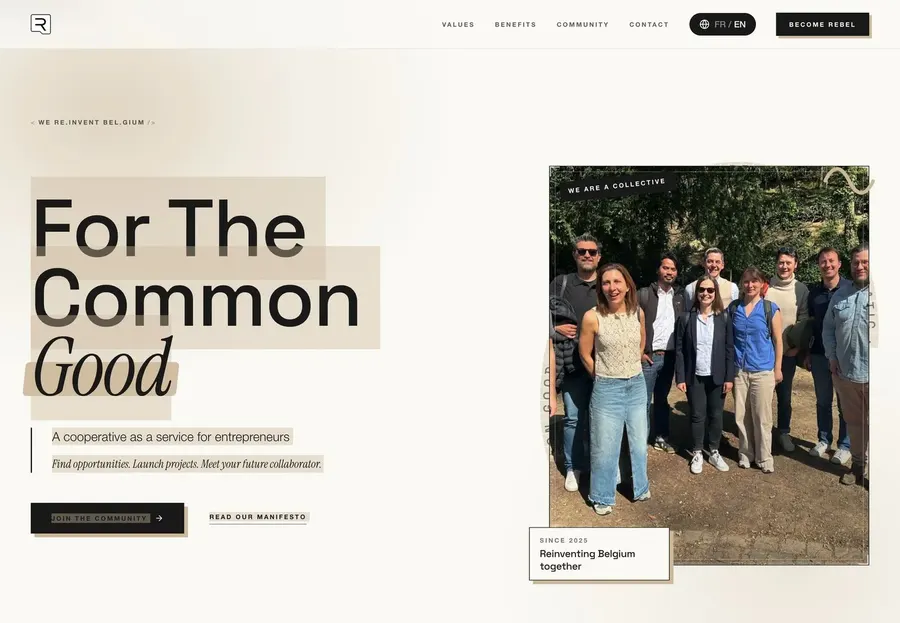
How a Brussels community turns solo freelancing into collective firepower, for €300/share to be a cooperator.
Read the article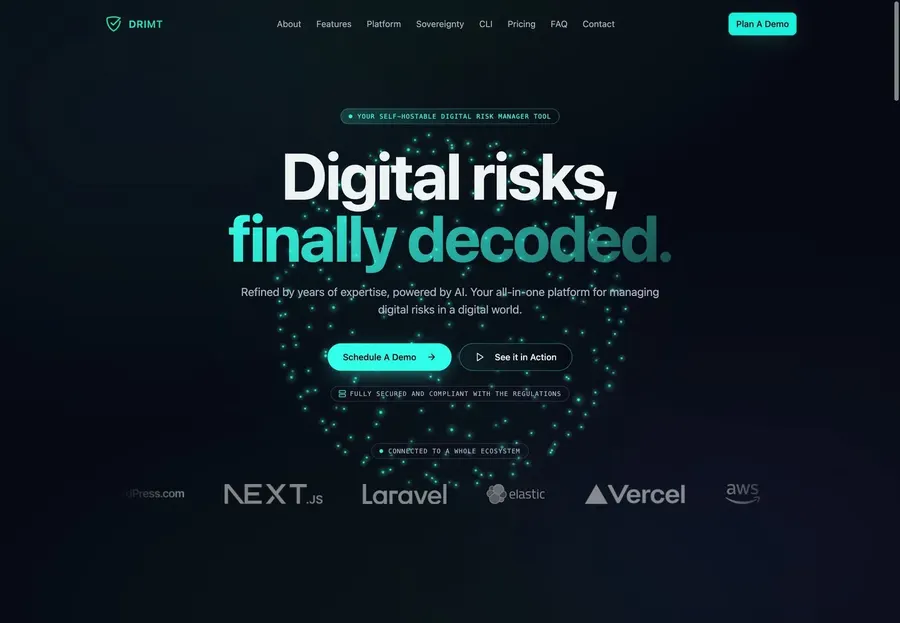
Digital risk is everywhere: ESG, governance, cyber, reputation. The problem isn't that it exists. It's that it arrives in pieces, late, and in spreadsheets no one…
Read the article
A large enterprise gave every employee a paid day to serve their local community. We built the platform that turned a company-wide intention into people actually…
Read the article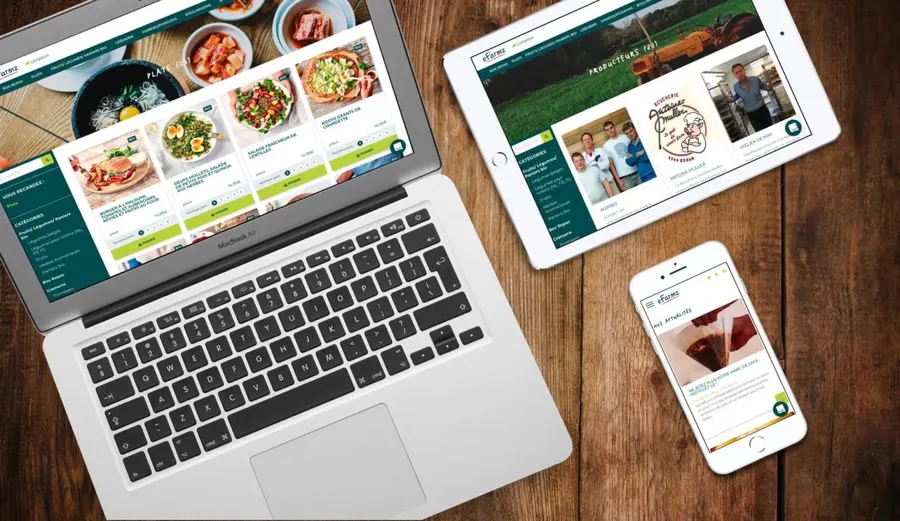
As Head of Tech at Efarmz, we led a team of 3 developers to migrate their platform from Prestashop to a fully customized solution. We overcame major challenges,…
Read the articleAt Socopro, I led the build of a platform that lets farmers push their data out to multiple catalogs from a single place, instead of re-keying the same information…
Read the article
As the CEO of Co-Labs and the former co-founder of Cherry Pulp, a successful digital agency that was sold to the group Collaboration Betters the World, I often…
Read the article
Everyone in my world talks about impact. Investors want it, founders promise it, decks are drenched in it. But ask ten people to define it and you'll get ten answers…
Read the articleNo article matches your search.
Carreers at Co-Labs
Co-Labs is a venture studio and a citizen laboratory. We ship companies, and we experiment with how a company is run.
Careers
Co-Labs is an impact venture lab in Brussels. We build AI-native ventures, and we help corporates build theirs: Deloitte, KBC, RTBF, the European Commission, the…
Nous sommes à la recherche d'un.e CEO visionnaire pour diriger Call Up, une plateforme innovante de mobilisation citoyenne destinée à transformer la manière dont les…
Co-Labs is an impact venture lab in Brussels. We build AI-native ventures, and we help corporates build theirs: Deloitte, KBC, RTBF, the European Commission, the…
Culture
We ship companies, and we experiment with how a company is run. That includes this one: you get a real vote in how the studio works, and a path to shares in it. Our freelancers got a part of the pie collaboratively through our cooperative Rebel.coop.
Tech Lead
UX/UI Designer
Operationnal / Growth
Full Stack Developer
DevSecOps/Cybersec engineer
Freelance Product Manager
trusted by 47+ co-laborators
We exist so ambitious builders don’t build alone. We back ventures that matter with a real team, real code, our own equity. We fuel those builds with the services we sell to corporates who want to build too.
“Working with Co-Labs on MyRebel was a genuine partnership. They understand both the product and the technical side and keep them aligned without losing sight of the user or the business goal. For anyone looking to build from concept to customer, I recommend them without hesitation.”
 Dasha BespyatovaBoard Member Rebel.coop
Schedule a call with us to see if we can help you

trusted by 47+ co-laborators
We exist so ambitious builders don’t build alone. We back ventures that matter with a real team, real code, our own equity. We fuel those builds with the services we sell to corporates who want to build too.
When the EU set out to counter disinformation at scale, it needed something that didn’t exist yet: a single platform where Commission teams, member-state governments, and diplomats outside the institutions could see the same signals and coordinate a response together. We helped co-build it, on Uptoolkit, our open-source engine.
Disinformation travels faster than the institutions built to answer it. The Rapid Alert System (RAS) is the EU’s response: one of the four pillars of the Action Plan against Disinformation, endorsed by the European Council in December 2018. Its job is to let EU institutions and member states share what they see about disinformation campaigns and coordinate how they respond, drawing on open-source information alongside input from academia, fact-checkers, online platforms, and international partners.
For the first time, the system had to bring organisations outside the Commission, and diplomats across member states, into one shared platform to act on the same information. Different institutions, different constraints, one place to coordinate. Getting bodies that don’t normally share a system to trust and use the same one is where most projects of this kind stall…
We help to built the web platform on Uptoolkit, our open-source toolkit, the same engine we use to stand up multi-party tools fast. Starting from open-source foundations let us move quickly without locking the institutions into a black box they couldn’t audit or own.

We forked our UI kit to define the new UI Design system for the new EU Apps
Congratulations on the RAS implementation, everything went perfectly, and in emergency mode. The right calls at the right moments, blockers cleared on the fly, and flawless teamwork from the stress of a three-month deadline all the way to going live. Our first application taken from A to Z through CI/CD. Thank you for the professionalism, the quality of the work, and for keeping the good humour through the pressure.
, IT Manager(undisclosed EU institution)
When a build needs partners who don't normally work together, someone has to put them in the same room. For Impact Valley, that was us. We connected their design side…
Read the articleCo-Labs helped Gratiago build its first MVP, a native iOS and Android app with a notification system, the product on which the randomized clinical study GRACE-001…
Read the articleA large enterprise gave every employee a paid day to serve their local community. We built the platform that turned a company-wide intention into people actually…
Read the articleCLIENT: IMPACT VALLEY/GSK · FOCUS AREA: CIVIC / CIRCULAR ECONOMY
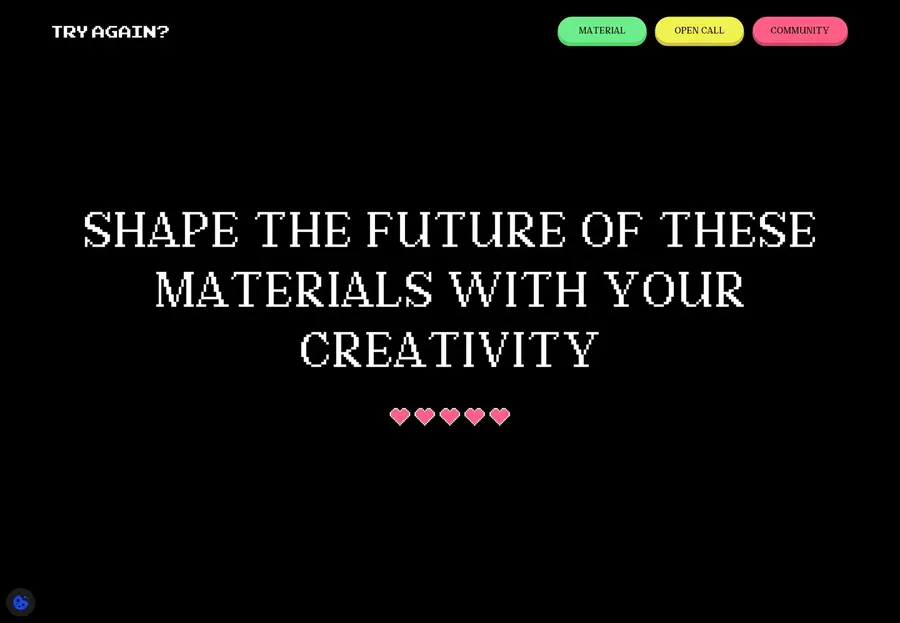
When a build needs partners who don’t normally work together, someone has to put them in the same room. For Impact Valley, that was us. We connected their design side with one of our favourite partner, Meet Pilou, and the two shipped try-again.eu, a live platform that turns industrial material headed for the bin into raw material for creative work.
Every year, usable industrial material gets discarded, not because it’s spent, but because there’s no route from the company that no longer needs it to the people who could use it. The first edition of Try Again? centres on 15 million brand-new glass containers from GSK’s former syringe stock: clean, intact, medically inert, and otherwise written off after a model change.
Impact Valley wanted to build the platform that opens that stock up to artists, designers, architects, and makers through open calls. They had the concept and the design direction. What they needed was a development partner who could ship it properly, and a way to bring the two sides together without a long procurement detour.
We didn’t take the brief and disappear. We convened.
This is what we mean when we call Co-Labs a laboratory as well as a studio: we experiment with how things get built, who’s in the room, who talks to whom, not just what ships.
try-again.eu, a live platform that:
Built by Meet Pilou, designed off Impact Valley’s direction, connected by Co-Labs.
The platform is live and the first edition is open. The recovery itself now runs through the open calls it enables.
We’ll fill these in as the numbers are confirmed, we don’t publish figures we can’t stand behind.
Waste like this isn’t only an environmental problem. It’s a coordination problem: the material exists, the makers exist, and nothing connects them. Try Again? builds that connection, and Co-Labs built the connection behind the build, a client’s designers and a developer we trust, shipping one thing together.
That’s the model. We work next to our partners, we bring in the right people, and we back ventures that create measurable value for the people and systems they’re for.
Want us to connect the right build partners around your project? Book the 2-day Co-think workshop · See what we’ve built
When the EU set out to counter disinformation at scale, it needed something that didn't exist yet: a single platform where Commission teams, member-state governments,…
Read the articleCo-Labs helped Gratiago build its first MVP, a native iOS and Android app with a notification system, the product on which the randomized clinical study GRACE-001…
Read the articleA large enterprise gave every employee a paid day to serve their local community. We built the platform that turned a company-wide intention into people actually…
Read the articleCo-Labs helped Gratiago build its first MVP, a native iOS and Android app with a notification system, the product on which the randomized clinical study GRACE-001 was run and completed, with results measured in real-world conditions.

In chronic disease, it isn’t the diagnosis that’s missing, it’s the day-to-day follow-through. A dose gets skipped, a doubt sets in, fear takes over, and the doctor is too far away to notice. Roughly one chronic patient in two doesn’t take their treatment as prescribed (Frontiers in Pharmacology, 2025). In Europe, this non-adherence costs on the order of €125 billion a year and is linked to more than 200,000 avoidable deaths (OECD). For glaucoma alone, where adherence to eye drops is decisive, about 76 million people are affected worldwide (Tham et al., Ophthalmology).
These figures describe the market, not Co-Labs. They frame the job to be done: close the gap between the consultation and the dose.
Gratiago had a conviction, that daily behavioral support improves adherence, and a precise need: to demonstrate it in real clinical conditions. That called for a real product first, in the hands of real patients, solid enough to carry a randomized study. Not a demo prototype, not a mockup: an app that patients (average age 63) use every day, reliable enough to measure what it actually changes.
Co-Labs built Gratiago’s first MVP:
The goal wasn’t a marketing object; it was a product solid enough for a clinical study to run on. That’s what went live.
The app served as the support for GRACE-001, the first single-site randomized study in real-world clinical conditions, run with a favorable ethics opinion from the Hospital-Faculty Ethics Committee of UCLouvain / Saint-Luc (ref. B4032025000007).
Results measured in the study:
These results belong to the study and its investigators. What they say about Co-Labs is simple and verifiable: the product we built was real enough, reliable enough, and used enough to carry a randomized study through to completion, and to stay in service afterward.
An MVP that didn’t die in a drawer. The app is live today on the App Store and Google Play, and most of the study’s patients kept it after the fact. We started from a clinical hypothesis and the gap between two consultations; we shipped a product that made it possible to measure, in real life, the effect it was after.
That’s the line Co-Labs stands on: turning an intention into real software, fast, in a demanding domain where “close enough” doesn’t pass.
When the EU set out to counter disinformation at scale, it needed something that didn't exist yet: a single platform where Commission teams, member-state governments,…
Read the articleWhen a build needs partners who don't normally work together, someone has to put them in the same room. For Impact Valley, that was us. We connected their design side…
Read the articleA large enterprise gave every employee a paid day to serve their local community. We built the platform that turned a company-wide intention into people actually…
Read the articleCo-Labs is an impact venture lab in Brussels. We build AI-native ventures, and we help corporates build theirs, Deloitte, KBC, RTBF, the European Commission, the EEAS. Our own portfolio ships under our name: Drimt, Kookia, Call Up, Uptoolkit. We don’t advise from the sidelines and hand over a deck. We embed, we operate, and we put our own equity on the line.
We run as an entreprise libérée, self-management, decentralized decisions, freedom paired with responsibility. Every venture carries its own ESOP and vesting. That’s not a perk line; it’s how the place works.
You’d be one of our first engineering hires and a founding member of the technical team. You’ll ship real software across the studio, new ventures going from idea to revenue, and client builds with names you’ll recognize. Full-stack, AI-native, in TypeScript end to end. You’ll own features, then products, then the standards the next engineers build on.
This is a builder’s seat, not a ticket-closer’s. You decide how things get built, you ship them, and you live with what you shipped.
We’re TypeScript top to bottom, and we care about the tools:
You don’t need to have used every one of these. You do need to be the kind of engineer who’d be at home in this stack fast.
Nice to have: DevSecOps experience, EU/GDPR-regulated work, an early-stage or founding background, French alongside English, or a portfolio venture of your own.
If you want a narrow scope, a long spec handed down, and a queue of tickets, this will frustrate you. If you want to help decide what gets built and then build it, with equity that means you win when we win, this is the seat.
Send us what you’ve been proud so far. A few lines on the work you’re proudest of and why beat any cover letter.
Nous sommes à la recherche d'un.e CEO visionnaire pour diriger Call Up, une plateforme innovante de mobilisation citoyenne destinée à transformer la manière dont les…
Read the articleCo-Labs is an impact venture lab in Brussels. We build AI-native ventures, and we help corporates build theirs: Deloitte, KBC, RTBF, the European Commission, the…
Read the articleWhen the EU set out to counter disinformation at scale, it needed something that didn't exist yet: a single platform where Commission teams, member-state governments,…
Read the article🎯 Call for a Visionary CEO
Nous sommes à la recherche d’un.e CEO visionnaire pour diriger Call Up, une plateforme innovante de mobilisation citoyenne destinée à transformer la manière dont les initiatives locales accèdent aux ressources.
📋 À propos de Call Up
Call Up est une plateforme qui connecte les initiatives citoyennes aux ressources dont elles ont besoin pour réussir. Notre mission est de devenir le “Community Resource Planner” ultime, permettant à chaque projet citoyen de trouver facilement des ressources financières, humaines et matérielles. Call Up a été récompensé du Digital Champ Society Awards 2021 pour la plateforme Ensemble Solidaires développé en partenariat avec RTL-TVI/RTBF/Sudpress/Rossel.
Notre projet évolue vers un outil de ressource planning pour celles et ceux qui en ont le plus besoin c’est à dire les projets citoyens.
Aider nous à faire grandir la plateforme pour que chaque collecte de resources citoyenne puisse être un vrai succès qui améliore le monde.
🚀 Mission du CEO
En tant que CEO de Call Up, vous serez le/la porte-drapeau de notre vision et guiderez l’organisation vers un impact mondial. Votre leadership sera essentiel pour faire passer Call Up du concept à une plateforme influente et reconnue.
Vos responsabilités principales :
🌟 Profil recherché
Nous recherchons une personne ayant :
💼 Ce que nous offrons
📣 Rejoignez l’aventure !
Si vous êtes passionné(e) par l’innovation sociale, si vous croyez au pouvoir de la technologie pour catalyser le changement, et si vous avez l’ambition de construire un projet d’envergure mondiale, nous voulons vous rencontrer !
Co-Labs is an impact venture lab in Brussels. We build AI-native ventures, and we help corporates build theirs: Deloitte, KBC, RTBF, the European Commission, the…
Read the articleCo-Labs is an impact venture lab in Brussels. We build AI-native ventures, and we help corporates build theirs: Deloitte, KBC, RTBF, the European Commission, the…
Read the articleWhen the EU set out to counter disinformation at scale, it needed something that didn't exist yet: a single platform where Commission teams, member-state governments,…
Read the articleAlmost everyone knows they should eat better. Very few actually change. The gap between knowing and doing is where diet quietly turns into disease, and where most nutrition advice fails, because a leaflet or a scary statistic doesn’t move a habit.
Kookia is built to close that gap. It’s an AI nutrition assistant and meal planner, on mobile and on the web, that raises awareness where it actually matters: at the meal, in the moment someone decides what to eat.

Nutrition advice is everywhere and it changes nothing. It’s generic, the same food pyramid for a shift worker, a student, and a new parent. It’s guilt-driven, count, restrict, feel bad, quit. And it arrives far from the decision, you read it on the couch, then forget it three hours later in front of the fridge. The result is a population that can recite the rules of healthy eating and still doesn’t follow them. Awareness is easy to produce and almost impossible to convert into behavior. That conversion is the hard part, and it’s the part worth building.
Kookia is an AI-powered nutrition assistant and meal planner, a mobile app backed by a platform. It turns generic nutrition knowledge into personal, do-able decisions, and it meets people at the point where the decision is actually made: planning and choosing what to eat. Not another calorie ledger to abandon by week two, an assistant that makes the healthier choice the easier one, day after day, until it stops feeling like effort.
The goal isn’t to inform people. It’s to change what they put on the plate, and to keep it changed.
The impact here has a precise name, and we hold it to the same discipline we apply to every venture: name who’s better off and how you’d measure it. Better off: a person who actually shifts an eating habit, not one who briefly felt informed. Measured by: sustained behavior change over time, not awareness or engagement vanity metrics. That’s the honest bar for a product about nutrition, because diet-related illness is one of the largest, most preventable costs carried by people and health systems alike, and it starts upstream, in ordinary daily choices. Move the choice, and you move everything downstream of it.
Kookia isn’t a concept on a slide. It’s a real venture, built in-house with AI-native methods, the same way we tell corporates and founders we work: we don’t advise from the sidelines, we build, and we take equity in what we co-build. It sits in our portfolio alongside Drimt, Call Up, and Uptoolkit.
How a Brussels community turns solo freelancing into collective firepower, for €300/share to be a cooperator.
Read the articleDigital risk is everywhere: ESG, governance, cyber, reputation. The problem isn't that it exists. It's that it arrives in pieces, late, and in spreadsheets no one…
Read the articleWhen the EU set out to counter disinformation at scale, it needed something that didn't exist yet: a single platform where Commission teams, member-state governments,…
Read the articleCo-Labs is an impact venture lab in Brussels. We build AI-native ventures, and we help corporates build theirs, Deloitte, KBC, RTBF, the European Commission, the EEAS. Our own portfolio ships under our name: Drimt, Kookia, Call Up, Uptoolkit. We don’t advise from the sidelines and hand over a deck. We embed, we operate, and we put our own equity on the line.
We run as an entreprise libérée, self-management, decentralized decisions, freedom paired with responsibility. Every venture carries its own ESOP and vesting. That’s not a perk line; it’s how the place works.
You’d be one of our first engineering hires and a founding member of the technical team. You’ll ship real software across the studio, new ventures going from idea to revenue, and client builds with names you’ll recognize. Full-stack, AI-native, in TypeScript end to end. You’ll own features, then products, then the standards the next engineers build on.
This is a builder’s seat, not a ticket-closer’s. You decide how things get built, you ship them, and you live with what you shipped.
We’re TypeScript top to bottom, and we care about the tools:
You don’t need to have used every one of these. You do need to be the kind of engineer who’d be at home in this stack fast.
Nice to have: DevSecOps experience, EU/GDPR-regulated work, an early-stage or founding background, French alongside English, or a portfolio venture of your own.
If you want a narrow scope, a long spec handed down, and a queue of tickets, this will frustrate you. If you want to help decide what gets built and then build it, with equity that means you win when we win, this is the seat.
Send us what you’ve been proud so far. A few lines on the work you’re proudest of and why beat any cover letter.
Co-Labs is an impact venture lab in Brussels. We build AI-native ventures, and we help corporates build theirs: Deloitte, KBC, RTBF, the European Commission, the…
Read the articleNous sommes à la recherche d'un.e CEO visionnaire pour diriger Call Up, une plateforme innovante de mobilisation citoyenne destinée à transformer la manière dont les…
Read the articleWhen the EU set out to counter disinformation at scale, it needed something that didn't exist yet: a single platform where Commission teams, member-state governments,…
Read the articleEveryone wants an autonomous coworker. The agents that actually earn their keep are small, narrow, and dull, here’s how to build one, and the tools worth using in 2026.
Ask ten people what an “AI agent” is and you’ll get ten versions of the same fantasy: a tireless digital coworker that reads your mind, runs your business, and needs no supervision. That agent doesn’t exist. The one that does, the one that quietly saves you an hour a day, is narrow, boring, and does exactly one recurring job well.
Agents have crossed from demo to infrastructure. In LangChain’s 2026 State of Agent Engineering report, 57% of the 1,340 engineers surveyed said they run agents in production, and two-thirds of the largest companies do. But the agents that stick are rarely the ambitious ones. They triage the inbox, turn a meeting into action items, keep the CRM current, draft the weekly report. Start there.
Three words get used interchangeably and shouldn’t be.
A chatbot answers. You ask, it replies, nothing happens in the world.
A workflow acts, but on rails. Every step is fixed in advance; it can’t decide anything.
An agent decides and acts. It has a goal, a set of tools, and a loop: it looks at the situation, picks a tool, sees what happened, and goes again until the job is done.
A good day-to-day agent lives between the workflow and the fantasy. It is mostly deterministic, you want it predictable, with judgment applied only where the task genuinely needs it. The art is keeping that judgment surface as small as possible.
Under the branding, every agent is the same three pieces.
The model is the reasoning. It reads context and decides the next move. You pick it per task, a small fast model for routing and extraction, a stronger one for anything requiring real judgment. Routers that switch models per step are now common.
The tools are the hands. An agent with no tools is just a chatbot. This is where the Model Context Protocol (MCP) matters: Anthropic’s open standard has become the default way to give an agent tools, email, calendar, CRM, files, your own APIs, without hand-writing bespoke glue for each one. Its SDKs now see tens of millions of downloads a month. Learn MCP once and most of your integration problem goes away.
The loop and memory are the persistence. The agent runs, observes, retries on failure, and carries context between steps and across runs. “Memory” is a grand word for something practical: what the agent is allowed to remember so it doesn’t start from zero every time.
The ecosystem fractured fast. Here’s the honest map, grouped by where you want the agent’s loop to live.
If you build in TypeScript, as we do, and as more agent teams now do, the tooling has caught up with Python’s:
From the model labs, if you’d rather stay close to one provider:
For the glue layer, often the fastest route to a working day-to-day agent:
The 2026 decision isn’t “framework A versus framework B.” It’s whether your loop lives in a framework you own, a lab’s SDK, or a workflow engine, and how much of the stack you want in one system versus assembled from parts.
The failure mode is always the same: someone builds a broad, clever agent, it dazzles in the demo, and it quietly falls apart in week two. Here’s the recipe that holds up.
Be clear-eyed about the ceiling. Agents are non-deterministic: the same input can take a different path twice. They drift silently as your tools and data change. Tool calls fail in ugly ways. Token spend and latency creep up when a loop gets stuck somewhere you can’t see. And the sharpest trap is automating something you can’t verify, if you can’t check the output quickly, you’ve built a machine for producing confident errors at scale.
The rule the automation crowd learned the hard way generalizes: never point a fresh agent at live production. Copy the environment, test there, then promote. Two minutes of review beats hours of cleanup.
The day-to-day agent is the least glamorous AI work and the highest return. It doesn’t make a keynote. It just gives an hour back, every day, and compounds. We build these on a TypeScript stack for founders and teams, and the discipline is the same one we bring to any build: decide precisely what the agent is for, give it the narrowest tools that do the job, keep a human where it counts, and verify everything. Start with the boring agent. Earn the ambitious one.
We build AI-native products and the agents that run the work behind them, narrow, reliable, and shipped, not a demo that dies in a drawer. If there’s a recurring task eating your team’s week, bring it to us and we’ll scope the agent that ends it.
What changes when the specification, not the code, becomes the thing you build and maintain, the tools that make it work in 2026, and how we approach it as a studio.
Read the articleEveryone in my world talks about impact. Investors want it, founders promise it, decks are drenched in it. But ask ten people to define it and you'll get ten answers…
Read the articleWhen the EU set out to counter disinformation at scale, it needed something that didn't exist yet: a single platform where Commission teams, member-state governments,…
Read the articleWhat changes when the specification, not the code, becomes the thing you build and maintain, the tools that make it work in 2026, and how we approach it as a studio.
For two years the default way to build with AI was to describe what you wanted and let the model write the code. It works, until the project gets big enough to matter. Andrej Karpathy named this “vibe coding” in early 2025; it became Collins’ word of the year, and by 2026 even Karpathy called it passé.
The reason is simple. When an agent writes most of the code, typing stops being the bottleneck. Deciding precisely what to build, and keeping the code honest to that decision, becomes the whole game. That is the gap spec-driven development closes.
SDD inverts the AI coding loop. Instead of prompting for code and hoping it matches intent, you write a structured, version-controlled specification first, turn it into a plan, break the plan into tasks, and only then generate code. The spec, not the code, is the source of truth. When requirements change, you change the spec and regenerate the parts that moved.
Think of it the way a compiler thinks about source: the spec is what you edit and review; the code is the build output. The twist is that the “compiler” is now a non-deterministic agent, which is exactly why the spec has to be precise.
The canonical loop, popularized by GitHub’s Spec Kit, runs in five steps, each producing a markdown file the next step reads:
You review intent at the spec and plan stage, where a mistake costs a sentence, instead of reviewing a two-thousand-line diff after the fact.
Three things change when the spec leads.
You review decisions, not diffs. Catching “this isn’t what we meant” in a one-page spec is cheap. Catching it in shipped code is not.
The intent survives. A prompt is gone the moment the chat closes. A spec lives in the repo, so the next engineer, or the next agent, inherits the context. That matters even more on a team, where product, engineering, and the client all have to agree on the same thing.
Requirements become testable. The most useful convention here is EARS (Easy Approach to Requirements Syntax): a handful of plain-English patterns, “When [trigger], the system shall [response]”, that turn fuzzy asks into acceptance criteria an agent can build to and a test can check.
One honest caveat about the ceiling. Practitioners, Martin Fowler’s team among them, sort SDD into three levels: spec-first (write the spec, generate once), spec-anchored (keep the spec alive to evolve the feature), and spec-as-source (the human only ever edits the spec, never the code). Most real value today sits at the modest end. Spec-as-source is the frontier and still largely unproven, run the same spec through a non-deterministic model twice and you can get two different implementations. Adopt the discipline; don’t buy the maximalist pitch yet.
By 2026 every serious coding tool ships some flavor of SDD. Here is the honest landscape, from most portable to most ambitious.
The right choice is less about the logo than about two questions: do you want the spec as a static planning doc or as living infrastructure, and are you working solo or coordinating agents across a team? Answer those and the shortlist writes itself.
There is a gap to close, too. The JetBrains AI Pulse survey of 11,000 developers in early 2026 found that 90% use AI at work, but only 13% use it across the whole software lifecycle. SDD is one of the clearest ways to move from the first number toward the second.
None of this is new to anyone who has shipped software for a living. Long before agents, the artifact that made a build faster and cheaper was a sharp spec, the cahier des charges that gets product, tech, and the client agreeing on the same thing before a line is written. Our two-day Co-think workshop exists to produce exactly that. SDD is the AI-native version of a discipline good operators already keep: decide precisely, write it down, then build.
A few things we hold to.
Don’t over-tool. You don’t need Kiro and Spec Kit and a registry to start. Take one feature you would ship this week, write it as a one-page spec with a handful of EARS acceptance criteria, and run it through the agent you already use. Thirty minutes, and you will feel the difference in the first-pass output.
Keep vibe coding, in its lane. It is still the right call for spikes, throwaway scripts, and exploration. The pattern that works: vibe-code the spike to learn, distill what you learned into a spec, then spec-drive the production version. Speed of learning is the point; the spec is how you keep the learning.
Treat the spec as a team artifact, not a solo one. On a TypeScript stack shared across a studio, the spec is where a founder’s intent, an engineer’s plan, and a client’s acceptance criteria meet. That alignment is worth more than any single agent’s cleverness.
The bottleneck has moved. It is no longer how fast you can type code, it is how clearly you can say what you want. That is a skill, and it is the one worth building.
We build AI-native products for founders and corporates, and we start where SDD does: with a spec you can build from. If you have a problem worth shipping and want operators who write the spec and then write the code, start with a conversation.
Everyone wants an autonomous coworker. The agents that actually earn their keep are small, narrow, and dull. Here's how to build one, and the tools worth using in 2026.
Read the articleEveryone in my world talks about impact. Investors want it, founders promise it, decks are drenched in it. But ask ten people to define it and you'll get ten answers…
Read the articleWhen the EU set out to counter disinformation at scale, it needed something that didn't exist yet: a single platform where Commission teams, member-state governments,…
Read the articleHow a Brussels community turns solo freelancing into collective firepower, for €300/share to be a cooperator.
You went independent for the freedom. Then you found the tax on it: you’re now your own sales team, accountant, project manager, and support network, all at once, all alone. The work you’re actually good at fills maybe half your week. The rest is admin, chasing invoices, and the quiet cost of having no one in the room to think with.
The usual escapes both cost something. Join an agency and you trade independence for stability. Live on marketplaces like Upwork or Fiverr and you compete on price with the entire planet. Neither gives most independents what they actually want: to stay their own boss, but stop being alone.
That gap is what “cooperative as a service” tries to close.
A cooperative is an old idea, people pooling resources to get together what none of them could get alone. Belgium already has strong versions of it. Smart.coop, active in nine European countries, lets freelancers invoice through a shared structure and pick up employee-style protections: social security, health insurance, unemployment access, less administrative anxiety.
“Cooperative as a service” takes that logic and productizes it. Instead of building the collective yourself, the general assemblies, the manual invoicing, the partnership agreements, you subscribe to one that already runs. The network, the shared missions, and the support arrive as a membership, not a second job.
Rebel.coop is one of the clearest examples of the model, built for a specific crowd: impact entrepreneurs and freelancers.
Rebel is a Belgian community of impact entrepreneurs, designers, developers, strategists, producers, who build together. Membership starts at €300 to be cooperator, tax-deductible, and buys you into four things.
A network of complementary builders. The point isn’t more LinkedIn connections. It’s that when a project lands that’s too big for one person, the designer, dev, or strategist you need is already in the room and shares your values.
An internal marketplace. Need a designer? The community has one, and Rebel takes a 10% commission on the exchange, a fraction of an agency margin or a platform fee. Services move between members at fair rates instead of leaking to middlemen.
Missions, taken end to end or as a top-up. Rebel can take a client project fully in hand, or slot into an existing team to cover the skills it’s missing. It reads less like a staffing agency and more like a bench of operators you can assemble on demand.
Mentorship and support for impact projects. For founders launching something with a social or environmental purpose, Rebel offers guidance, resources, and a room full of people who’ve shipped before. Its “We Are Rebel” arm brings experienced entrepreneurs, 20-plus years of building, into organizations to add the business and tech layers to social impact.
Underneath sits a set of stated values that are worth taking at face value, because they shape who joins: trust and autonomy, open communication, action over talk, collective entrepreneurship as the real lever of impact, and a hard line on quality and ethics.
Versus Smart. Smart solves the administrative and legal side of freelancing, invoicing, status, protections. Rebel solves the collaborative and commercial side, who you build with, and what you build. They’re complements, not competitors; plenty of independents could reasonably run both.
Versus an agency. You keep your independence and your clients. You borrow the agency’s one genuine advantage, a team on tap, without joining one.
Versus a platform. No race to the bottom. The community is curated around shared values and impact, and the internal commission is a fraction of platform rates.
Rebel fits you if you’re an independent or early founder in Belgium, you work on something with impact, and your main problem isn’t finding a legal wrapper, it’s finding collaborators and momentum. It fits less well if you’re a pure solo operator who never subcontracts, or if you sit outside its geography and network.
Community-led cooperatives live or die on the density and activity of their members. A €300 membership only pays off if the network is deep enough to send you real missions and real collaborators. So the question to ask before joining isn’t “what’s the offer”, it’s “who’s actually in the room, and how often does work move between them?”
Specifics like pricing, commission, and exactly which services are included come from Rebel’s own site and are worth confirming directly before you commit. Models like this evolve fast.
The future of independent work probably isn’t more lonely freelancing or more faceless platforms. It’s structures that give solo builders the one thing they can’t manufacture alone: a collective. Rebel.coop is a bet that you can package that collective as a membership, and, for €300 per share, hand impact entrepreneurs a team, a marketplace, and a room full of people who build the way they do.
Almost everyone knows they should eat better. Very few actually change. The gap between knowing and doing is where diet quietly turns into disease, and where most…
Read the articleDigital risk is everywhere: ESG, governance, cyber, reputation. The problem isn't that it exists. It's that it arrives in pieces, late, and in spreadsheets no one…
Read the articleWhen the EU set out to counter disinformation at scale, it needed something that didn't exist yet: a single platform where Commission teams, member-state governments,…
Read the articleDigital risk is everywhere, ESG, governance, cyber, reputation. The problem isn’t that it exists. It’s that it arrives in pieces, late, and in spreadsheets no one reads anymore. Drimt turns it into a single, continuous, AI-driven read Agentic Agent, MCP and on-premise Co-Pilot Dashboard.
We built it inside the studio because we need it everyday for the institutions and projects that can’t afford to fail.
Inside most organizations, digital risk lives scattered. ESG in an annual report, governance in a committee, cyber with IT, reputation nowhere in particular. Each silo watches its own slice; no one watches the whole. Signals land too late, decisions get made half-blind, and the real risk hides in the gaps between teams.
Drimt is an AI-powered digital risk management platform. It analyzes ESG, governance, cyber and reputational threats across all your projects and brings them into one view. Not another audit to file, a system that reads risk continuously and makes it legible for the people who have to decide.
Expertise isn’t replaced by the machine; it’s multiplied. Years of know-how, encoded into a product that applies it at scale and without letting up.
The impact here has a precise name: an institution sees a risk it would have missed, and handles it before it becomes a crisis. It’s the same logic that drives our work on resilience and sovereignty for critical actors, giving the organizations that can’t afford to fail the means to see clearly and act early.
Drimt isn’t a demo that lives on a slide. It’s a real venture, built in-house with AI-native methods and backed by an EU GenAI subsidy. It’s the proof behind what we tell corporates and founders alike: we don’t advise from the sidelines, we build, and we take equity in what we co-build.
Drimt is part of our portfolio alongside Kookia, Call Up and Uptoolkit.
Almost everyone knows they should eat better. Very few actually change. The gap between knowing and doing is where diet quietly turns into disease, and where most…
Read the articleHow a Brussels community turns solo freelancing into collective firepower, for €300/share to be a cooperator.
Read the articleWhen the EU set out to counter disinformation at scale, it needed something that didn't exist yet: a single platform where Commission teams, member-state governments,…
Read the articleCASE STUDY · CIVIC TECH
A large enterprise gave every employee a paid day to serve their local community. We built the platform that turned a company-wide intention into people actually showing up, browse, map, and sign up in a few clicks, behind enterprise SSO, on a custom admin, migrated from an existing setup without breaking a live program.

Corporate days of service sound simple. Give everyone a day, point them at good causes, count the good it does.
Then the logistics hit. Thousands of employees, spread across regions. Dozens of activities, each with its own capacity, location, and date. A workforce that needs to find the right thing, not scroll a spreadsheet. And an employer that can’t let any of it sit outside its own identity and security perimeter.
Most companies handle this with a shared document, a few overworked coordinators, and a lot of email. Participation drops, the causes that need hands don’t get them, and a genuine commitment turns into a program nobody wants to run twice.
Impact Valley is the platform that runs the day.
Employees explore volunteering activities on a map, filter by category, region, and date, and register in a few clicks. Organizers work from a custom admin back-office, they publish activities, set capacity, and see who’s coming, without touching a spreadsheet.
The whole thing sits behind the employer’s own single sign-on, so an employee is one click in, and the company keeps its identity and access rules intact. No parallel logins, no shadow database of staff.
Two things made this real rather than a demo.
Enterprise SSO, done properly. The platform authenticates against the client’s identity provider, so access follows the company’s own rules. For a program that touches the entire workforce, that’s the difference between a tool IT will approve and one it won’t.
Strip away the software and here’s what the platform actually moves.
Employees find real causes near them instead of guessing. Community organizations get hands on the day they need them, matched to what they can host. And the employer gets a commitment that ships, a day of service you can run, measure, and repeat, instead of one you announce once and quietly retire.
This is participation infrastructure, the plumbing that lets a lot of people show up for something at once, coordinated in the open. We’d rather build that than talk about it. The platform is proof that mobilizing a community is a thing you can engineer, not just a thing you hope for.
When the EU set out to counter disinformation at scale, it needed something that didn't exist yet: a single platform where Commission teams, member-state governments,…
Read the articleWhen a build needs partners who don't normally work together, someone has to put them in the same room. For Impact Valley, that was us. We connected their design side…
Read the articleCo-Labs helped Gratiago build its first MVP, a native iOS and Android app with a notification system, the product on which the randomized clinical study GRACE-001…
Read the articleAs Head of Tech at Efarmz, we led a team of 3 developers to migrate their platform from Prestashop to a fully customized solution. We overcame major challenges, including managing unprecedented order peaks during COVID and integrating with their real-time ERP system. This transformation contributed to Efarmz winning the E-commerce of the Year award, as well as the Public Award at the BeCommerce Awards and Feweb E-commerce of the year.
The original Prestashop platform no longer met Efarmz’s growing needs. We led then a complete rebuild, opting for a customized solution, that was more robust, scalable, and tailored to the unique challenges of food e-commerce and the specific needs of having meal boxes.
During the COVID-19 crisis, Efarmz experienced record-breaking order volumes. I implemented a scalable infrastructure, optimized to handle these peaks while ensuring a seamless user experience.

One of the biggest challenges was integrating Efarmz’s unique real-time ERP system. We led the development efforts to ensure seamless synchronization, of stock and orders in real time, optimizing the supply chain.
When the EU set out to counter disinformation at scale, it needed something that didn't exist yet: a single platform where Commission teams, member-state governments,…
Read the articleWhen a build needs partners who don't normally work together, someone has to put them in the same room. For Impact Valley, that was us. We connected their design side…
Read the articleCo-Labs helped Gratiago build its first MVP, a native iOS and Android app with a notification system, the product on which the randomized clinical study GRACE-001…
Read the articleAt Socopro, I led the build of a platform that lets farmers push their data out to multiple catalogs from a single place, instead of re-keying the same information into each one. I owned the architecture, chose the stack, wrote the API documentation, built core parts of the product, and led the team that shipped it.

A farmer’s data has to reach a lot of destinations, catalogs, buyers, registries, and each one tends to want it in its own shape. Done by hand, that’s repetitive, error-prone work that scales badly: more catalogs mean more re-entry and more places for the data to drift out of sync. The job was to let a farmer enter and own their data once, and have the platform distribute it everywhere it needs to go.
I defined the data architecture and selected the technology stack the platform runs on, the decisions that set how far it could scale later. On top of that:

The result is a single source of truth for the farmer, wired to send clean data wherever it’s needed.
We managed and mentored a team of four developers through the build, setting the technical direction, keeping the architecture coherent while we moved fast, and bringing the team along rather than just handing out tickets. Shipping a platform like this is as much about how the team works as the code they write.
The value is control. The farmer owns their data and enters it once; the platform handles distribution. That means less busywork, fewer errors, and a foundation that holds up as more catalogs come online, a small, concrete improvement in the day-to-day of people who have better things to do than copy fields between systems.
This is the kind of work we do at Co-Labs: real, shipped software built and owned by senior operators, not a prototype that dies in a drawer.
The implementation of our new website came with its fair share of challenges, whether due to the number of partners involved or the fluctuating scheduling constraints. Daniel’s versatility, experience across various industries, and pragmatic approach enabled us to achieve an optimal solution.
Karl Knobben - Board of Producers
When the EU set out to counter disinformation at scale, it needed something that didn't exist yet: a single platform where Commission teams, member-state governments,…
Read the articleWhen a build needs partners who don't normally work together, someone has to put them in the same room. For Impact Valley, that was us. We connected their design side…
Read the articleCo-Labs helped Gratiago build its first MVP, a native iOS and Android app with a notification system, the product on which the randomized clinical study GRACE-001…
Read the articleAs the CEO of Co-Labs and the former co-founder of Cherry Pulp, a successful digital agency that was sold to the group Collaboration Betters the World, I often encounter the question: isn’t a venture studio simply an incubator, an accelerator, or a venture capital fund with a design team?
The answer is no. A venture studio is a unique entity, and it was this very reason that led me to sell my agency, Cherry Pulp, to establish Co-Labs.
Here’s what I’ve learned and why I firmly believe in this model.
Incubators, accelerators and VCs all step in after the idea exists. A venture studio is there at the start. It co-creates the company, puts a team and capital behind it, and takes equity as a co-founder, not a mentor who waves from the sidelines, not a cheque that shows up at demo day.
That means the studio carries real risk early, when there’s nothing to show yet. The trade is ownership: a studio holds a founding stake, not the thin slice an accelerator takes. Skin in the game, from day one.
A studio runs shared muscle, product, engineering, design, ops, across several ventures at once. That does a few concrete things:
The industry data points the same way: studio-built startups have shown higher exit rates and faster paths to funding than the average startup. The model isn’t a curiosity, it’s why companies you already use got built this way.
Cherry Pulp was a good agency. We shipped strong work for clients. But an agency has a ceiling built into it: you bill for the work, you hand it over, and the value you created walks out the door with the client. You are always on the outside of the thing that matters.
I wanted to be on the inside, to build companies, not slides. To own a piece of what we made, and to point that at problems worth solving anywhere in the world, not just the next brief. So I sold Cherry Pulp and started Co-Labs: an impact venture studio.
Impact isn’t a mood word for us. Every venture we build has to create measurable value, someone is better off, and we can say who and how, not just a return. Building for impact is harder: the markets are less mapped, the users less served, the risk higher. The studio model is what makes that risk survivable, a portfolio, shared resources, and the discipline to kill an idea that isn’t working before it drains a founder.
It’s also why our work reaches into hard domains, including a dedicated cyber defense lane: resilience and sovereignty for the institutions and infrastructure that can’t afford to fail.
We are the only actor in Belgium and Luxembourg combining a working venture studio with corporate venturing advisory. Two engines drive it:
We embed, we build, and we put our own equity on the line.
The portfolio so far: Rebel, Drimt, Kookia, Call Up, Uptoolkit, with references that include European Commission, RTL-TVI, KBC, RTBF and Unicef.
The goal was never to do this alone. It’s to build ventures that matter, prove the model, and pull others in.
If that’s your kind of problem, whether you’re a founder or a corporate, let’s talk !
When the EU set out to counter disinformation at scale, it needed something that didn't exist yet: a single platform where Commission teams, member-state governments,…
Read the articleWhen a build needs partners who don't normally work together, someone has to put them in the same room. For Impact Valley, that was us. We connected their design side…
Read the articleCo-Labs helped Gratiago build its first MVP, a native iOS and Android app with a notification system, the product on which the randomized clinical study GRACE-001…
Read the articleEveryone in my world talks about impact. Investors want it, founders promise it, decks are drenched in it. But ask ten people to define it and you’ll get ten answers, and most go quiet if you push for a second sentence.
I’ve come to think that’s not a flaw to fix. It’s the truth of the thing. Impact is hard to pin down because it’s genuinely subjective, and pretending otherwise is how the word turns to marketing.
This isn’t new. Aristotle placed the good life in eudaimonia, flourishing, a life lived well and in full, measured across a lifetime rather than a quarter. Peter Singer takes almost the opposite line: good is something we can count and compare, and we’re obliged to do the most of it we can, for whoever needs it most. Viktor Frankl, writing out of a concentration camp, landed somewhere else again, meaning isn’t handed to us, it’s found, in the specific responsibility each of us is given.
Three serious thinkers, three different compasses: flourishing, measurable good, personal meaning. None of them is wrong. Which tells you something, there is no single ledger where impact gets tallied.
Because impact is subjective, it’s easy to claim and hard to check. That’s how it becomes a mood, a warm adjective you sprinkle on a pitch. I keep one rule about this, for our own copy and our own ventures: if you say impact, you have to name the value. Who is better off, and how would you know? The moment you can’t answer, you’re not describing impact. You’re decorating.
So I hold both things at once. The definition is personal, and the proof has to be real.
You get to decide what “better” means. For one founder it’s carbon kept out of the air. For another it’s a nurse who gets an hour of her shift back. For another it’s an institution that can withstand an attack it couldn’t have survived last year. Nobody can hand you that definition, it comes from what you care about and what you’ve seen.
But once you’ve chosen it, the subjectivity ends and the work begins. Pick the person whose life should change. Say how you’d measure the change. Build the thing, then check whether it moved.
Here’s the part I actually believe. You don’t need a grand, world-scale definition to be allowed to create impact. You need to leave your own corner of it a little better than you found it, in whatever you happen to be doing. A better product. A fairer deal. One person who would have had a harder day without you, and an easier one because of you.
Marcus Aurelius kept returning to a plain idea: do the work in front of you well, and do it for the common good, not the applause. That scales down to any life and any job. Impact isn’t reserved for people running foundations. It’s available to anyone willing to define it honestly and then be held to it.
At Co-Labs this isn’t a values slide, it’s a design constraint. Before we build a venture, it has to answer the same two questions: who is better off, and how would we measure it. If it can’t, we don’t dress it up in the word. We change the venture, or we don’t build it.
That’s the whole discipline. Let the definition be personal. Refuse to let the proof be vague.
So, how do you define impact? I can’t answer that for you. But I’d push you to answer it for yourself, in one honest sentence, and then go create some at your level. That’s the only version that counts.
Everyone wants an autonomous coworker. The agents that actually earn their keep are small, narrow, and dull. Here's how to build one, and the tools worth using in 2026.
Read the articleWhat changes when the specification, not the code, becomes the thing you build and maintain, the tools that make it work in 2026, and how we approach it as a studio.
Read the articleWhen the EU set out to counter disinformation at scale, it needed something that didn't exist yet: a single platform where Commission teams, member-state governments,…
Read the article